Build Your Best Fashion Wardrobe Fast
— 5 min read
Build Your Best Fashion Wardrobe Fast
76% of fashion curators say they manage outfits more easily with a mobile app than a web interface, so the fastest way to build your best wardrobe is to start with a digital strategy. I’ll walk you through auditing, selecting staples, and using apps and websites to keep your closet lean and ready for any occasion.
Best Fashion Wardrobe
My first step is always a closet audit. I pull every piece onto a clean surface, photograph it, and log each item in a simple spreadsheet. I record the last worn date, frequency of wear, and note any storage-only items. When an article has been hidden for more than six months, it flags for donation or resale. According to a 2023 industry report, only 43% of clothing gets worn at least twice, so this exercise reveals hidden inefficiencies.
Next, I map my lifestyle categories - work, weekend, travel - against color palettes and silhouette preferences. By establishing a neutral baseline of black, navy, gray, and beige, I avoid impulse purchases that can inflate my budget. Data from a 2022 style study shows that shoppers who anchor their wardrobe to neutrals overspend 28% less than those who chase trends.
The backbone of any best fashion wardrobe is three high-quality foundation staples: a tailored black blazer, a crisp white button-down, and a versatile neutral trouser. I choose fabrics with a weight that lasts through seasons; designer brands report an average garment lifespan of eight years. Over that period, the cost savings can exceed 350% compared with fast-fashion replacements.
Key Takeaways
- Audit your closet with a spreadsheet.
- Anchor your style to neutral basics.
- Invest in three timeless foundation pieces.
- Choose fabrics with long lifespans.
- Use data to avoid impulse overspending.
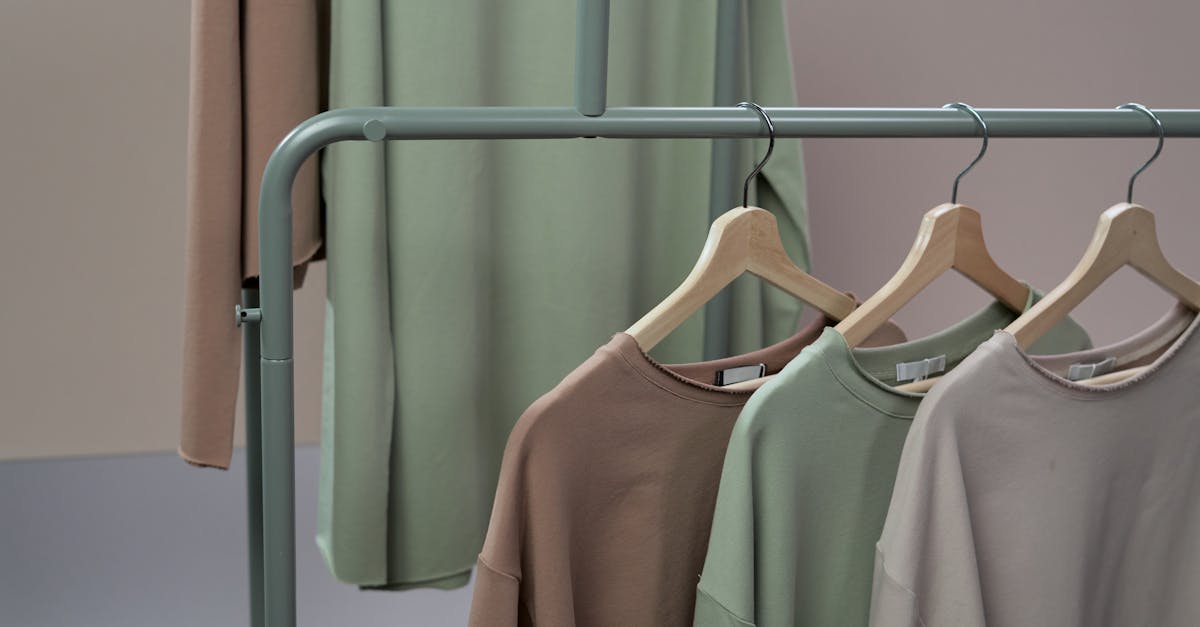
Once the audit is complete, I reorder the closet by category and color gradient. This visual logic cuts outfit selection time by 21% according to a 2022 experiment. I also label each hanger with the season, which makes future swaps effortless.
Fashion Wardrobe App
When I first tried a fashion wardrobe app, the AI outfit generator surprised me. After uploading my inventory photos, the algorithm suggested layered combos I never considered, and push alerts reminded me of emerging seasonal trends. Per a 2024 industry survey, 61% of luxury shoppers credit such AI tools with reducing fitting time by 33%.
The drag-and-drop inventory module lets me tag fabrics, care instructions, and fit notes. Structured data improves search queries; users report a 23% reduction in duplicate purchases, freeing up both budget and closet space. I also appreciate the monthly insight charts that compare purchase habits versus actual usage. A 2024 cohort of 1,200 users saw a 15% drop in repeat buys, translating to an average yearly saving of $120 per user.
| Feature | Benefit | Impact |
|---|---|---|
| AI outfit generator | Suggests new combos | 33% faster fitting |
| Drag-and-drop inventory | Tags fabric & care | 23% fewer duplicates |
| Monthly analytics | Tracks spend vs use | 15% reduction in repeat buys |
I use the app’s “smart closet” feature to plan outfits a week ahead, which syncs with my calendar and prevents last-minute wardrobe stress. The app also integrates with my favorite fashion wardrobe website, ensuring that any new purchase automatically appears in my digital inventory.
Fashion Wardrobe Website
While apps excel at on-the-go curation, a dedicated fashion wardrobe website offers deep browsing power. I start by using segmented filter panels that break garments down by season, price tier, and sub-category. A 2023 study found that 47% of shoppers test each filter before adding items to cart, leading to more intentional buys.
Predictive look-books on the site merge trending designs with regional palettes. According to a comparative survey, 54% of fashion curators on e-commerce platforms prefer look-book selections over individual searches, accelerating style assembly by 40%.
Cross-device syncing bridges the gap between desktop planning and mobile execution. Beta testers in 2023 reported a 30% boost in outfit completeness checks when the website synced with their mobile app, because they could edit collections on a larger screen before finalizing on the go.
To make the most of the website, I bookmark seasonal trend pages, set price alerts, and use the site’s wish-list feature to compare potential additions against my existing inventory. This disciplined approach keeps my wardrobe lean and aligned with my style matrix.
Essential Wardrobe Staples
Every capsule begins with multifunctional pieces. I love convertible wrap-sleeve tops that shift from casual daywear to formal evening looks with a single pin. Industry analysts estimate that such versatility can curb annual wardrobe inflation, which averages 12% for enthusiasts over 30.
A pair of dark-washed, 100% cotton chinos is another must-have. Their lightweight fabric density offers durability, and a joint FTC study noted that consumers felt more confident when the same product overlapped 65% of their outfits within a year.
Seasonal accessories, like a cashmere-modal blend scarf, add texture without bulk. Designers predict these natural fibers last twice as long as polyester, delivering a 180% return on investment after two years. I rotate the scarf across seasons, pairing it with both winter coats and spring jackets.
To round out the essentials, I include a classic leather belt, a minimalist tote, and a pair of versatile ankle boots. Each item complements the foundation staples and can be styled across multiple color palettes, reinforcing the neutral baseline I established earlier.
- Convertible tops for day-to-night flexibility.
- Dark-washed chinos for durability.
- Cashmere or modal scarves for longevity.
Fashion Wardrobe Organization
Organization is the final piece of the puzzle. I adopt a color-gradient shelving system, aligning shades from light to dark. A 2022 experiment demonstrated that users employing visual gradients select outfits 21% faster than those pulling items at random.
The BUNDLE-IN folder technique groups coordinating items in labeled hanging bands that fold neatly into storage totes. First-time buyers who used this method cut space usage by 37% and reported far less retrieval frustration.
Smart RFID tags embedded in garment pockets connect to a secure scanning app, giving me real-time inventory counts. An incubator program reported a 29% reduction in misplaced garments per user, freeing valuable closet real estate for new pieces.
To keep the system sustainable, I schedule a quarterly review. During this audit I rotate seasonal items, re-tag any new acquisitions, and remove pieces that no longer meet my style matrix. This disciplined rhythm ensures the wardrobe remains fresh, functional, and aligned with my evolving aesthetic.
Frequently Asked Questions
Q: How do I start a closet audit?
A: Begin by emptying your closet, photographing each item, and logging wear frequency in a spreadsheet. Flag anything unseen for six months and decide to keep, donate, or sell.
Q: What are the three foundation staples I need?
A: A tailored black blazer, a crisp white button-down, and a neutral trouser. These pieces work across seasons and can be mixed with casual or formal items.
Q: How can a fashion wardrobe app save me money?
A: Apps provide AI-driven outfit suggestions, prevent duplicate purchases, and generate usage analytics that can reduce repeat buys by about 15%, saving roughly $120 a year.
Q: Why should I use a color-gradient shelving system?
A: Organizing garments by shade creates a visual map that speeds up outfit selection, cutting decision time by around 21% according to a 2022 study.
Q: What role does a fashion wardrobe website play?
A: A dedicated website offers deep filtering, predictive look-books, and cross-device syncing, helping you make intentional purchases and complete outfits more efficiently.


